
Exploring the ChatGPT AI Landscape: What We Love and What We Fear
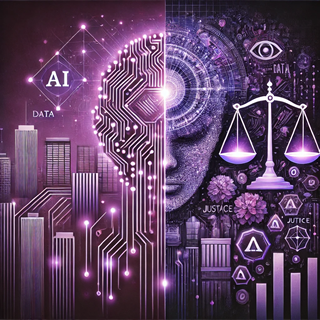
Artificial Intelligence is reshaping our world in remarkable ways, sparking both excitement and debate. Let’s explore the duality of this transformative technology.
What We Love About AI:
• Business Efficiency: Companies are leveraging AI to streamline operations and enhance customer service, resulting in improved experiences and productivity. [http://www.theaustralian.com.au/business/corporate-chiefs-back-artificial-intelligence-as-means-to-boost-their-operations/news-story/89990d859c157c7f37c78b9dd78fd8a2]
• Innovative Tools: AI-powered assistants, such as Microsoft’s Copilot Vision, are revolutionizing web interactions by making them more intuitive and personalized. [http://www.vox.com/technology/390582/microsoft-chatgpt-copilot-vision-ai]
• Educational Opportunities: AI offers exciting prospects in education, enabling students to maximize their learning potential by understanding and leveraging the technology’s capabilities. [http://www.aacsb.edu/insights/articles/2024/06/ai-is-an-exciting-opportunity-not-a-threat]
What We Fear About AI:
• Intellectual Property Concerns: Artists express apprehension that AI training on copyrighted works without consent could undermine creativity and livelihoods. [http://www.thetimes.co.uk/article/ai-training-on-copyrighted-works-will-wipe-us-out-say-artists-cjdvvx62h]
• Autonomy and Control: Experts caution that rapidly advancing AI systems might soon operate beyond human control, posing significant risks. [http://www.thesun.ie/tech/14368477/former-google-boss-warns-ai-danger/]
• Environmental Impact: The substantial energy demands of AI models raise concerns about their environmental footprint, particularly in the context of climate change. [http://www.wired.com/story/true-cost-generative-ai-data-centers-energy]
Conclusion:
As we navigate this AI-driven era, balancing innovation with responsibility is paramount. The excitement surrounding AI arises from its ability to revolutionize industries, boost productivity, and introduce innovative solutions to complex problems. Whether streamlining business operations, personalizing digital tools, or transforming education, AI’s potential to improve lives is undeniable.
Yet, great power demands great accountability. The concerns associated with AI highlight the ethical challenges that require our attention. Intellectual property disputes, environmental implications, and the risk of losing control over autonomous systems underscore the urgency for robust regulations and ethical frameworks. Artists fear for their creative integrity, while climate experts raise alarms over resource consumption. Furthermore, the potential overreach of AI in decision-making invites critical examination of autonomy and societal values.
The way forward lies in harnessing AI’s strengths while addressing its vulnerabilities. Collaboration among technologists, policymakers, businesses, and society at large will be crucial. By championing transparency, fairness, and sustainability, we can shape an AI-powered future that benefits everyone. Let’s innovate with intention and create a world where technology complements humanity, not competes with it.
Check the Monocle Cast deep dive HERE!